Discover Senegal
Located at Africa’s western edge, Senegal is known for its history, cultural diversity and tradition of hospitality. The idea of teranga—generosity, welcome and hospitality—is closely associated with Senegalese identity.
Senegal at a Glance
Capital
Dakar
Largest City
Dakar
Region
West Africa
Currency
CFA Franc
Independence
April 4, 1960
Official Language
French
The Meaning behind the Flag
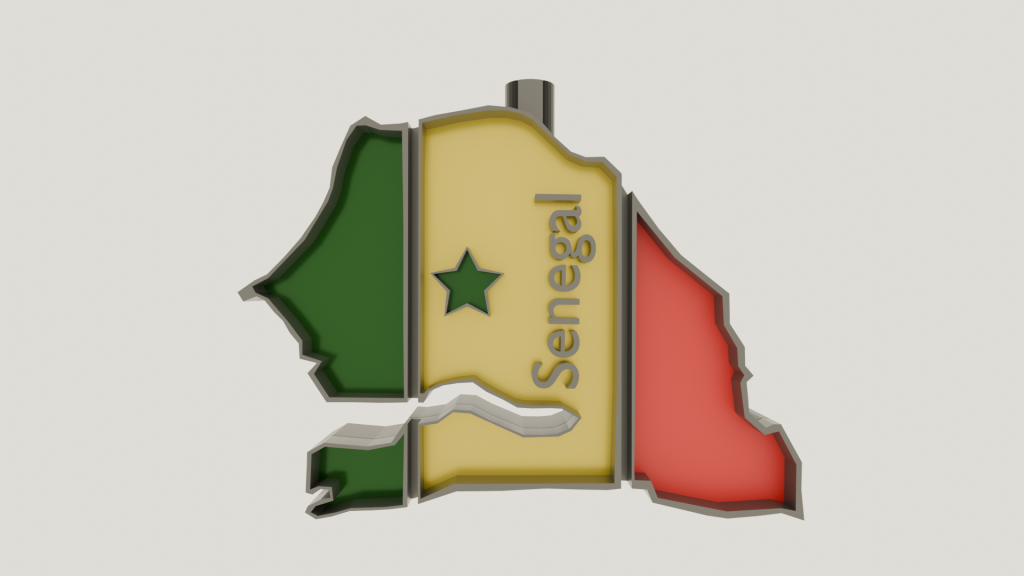
Green represents hope and also carries religious significance for many Senegalese, yellow represents wealth and progress, and red represents sacrifice and determination. The green star symbolizes unity and hope.
A Little History
The lands of modern Senegal have long been connected to major West African kingdoms and trading networks. Parts of the region were influenced by the Ghana and Mali empires, while states such as Jolof, Waalo, Cayor and Baol became important political centers in their own right.
Senegal’s position along the Atlantic coast also brought increasing contact with European traders beginning in the 15th century. The island of Gorée, near present-day Dakar, became one of several important Atlantic trading centers during a period in which the wider region was deeply affected by the transatlantic slave trade.
France gradually expanded its influence from coastal settlements into the interior during the 19th century. Senegal eventually became an important part of French West Africa, with Dakar serving as the federation’s administrative capital.
During the 20th century, Senegalese political movements pushed for greater representation and independence. Senegal briefly joined with what is now Mali in the Mali Federation, which became independent from France in 1960. After the federation separated, Senegal became an independent republic in 1960, with poet and statesman Léopold Sédar Senghor serving as the country’s first president.
Since independence, Senegal has developed a reputation for a strong tradition of political and cultural life in West Africa, while maintaining deep connections to its historical kingdoms, Islamic traditions and diverse communities.
People & Culture
Senegal is home to many ethnic and linguistic communities, including the Wolof, Fulani (Peul), Serer, Jola, Mandinka and Soninke, among others. French is the official language, while Wolof is widely spoken as a common language throughout much of the country alongside numerous other national languages.
An important idea in Senegalese culture is teranga, commonly associated with hospitality, generosity and welcoming others. It can be seen in the importance placed on sharing meals, receiving guests and maintaining strong relationships with family and community.
Religion also plays an important role in Senegalese society. The majority of the population is Muslim, and Sufi brotherhoods have had considerable social and cultural influence. The city of Touba, associated with the Mouride brotherhood, is an important religious center.
Storytelling and oral history have traditionally helped preserve knowledge across generations. Griots, hereditary historians, musicians and storytellers in several West African societies, have played an important role in remembering family histories, genealogies and major events.
Senegalese culture also has strong traditions in textiles, clothing, craftsmanship, literature and contemporary art. Dakar in particular has developed into an important cultural center connecting traditional Senegalese influences with modern African and global culture.
Food
Senegalese cuisine is built around ingredients such as rice, millet, fish, meat, vegetables, peanuts and spices. Meals are often shared from a large communal dish, reflecting the importance of family and hospitality.
Perhaps the country’s most famous dish is thieboudienne (ceebu jën), traditionally prepared with fish, rice, vegetables and a seasoned tomato-based sauce. Originating in Senegal, the dish is considered an important part of the country’s culinary heritage and has influenced rice dishes throughout West Africa.
Another popular meal is yassa, commonly prepared with chicken or fish cooked with large amounts of caramelized onion, lemon and mustard and served with rice.
Mafé is a rich stew made with a peanut-based sauce and can include meat and vegetables. Millet is also important in Senegalese cooking and is used in a variety of traditional dishes and porridges.
Senegal’s long Atlantic coastline makes fish and seafood particularly important, especially in coastal communities. From everyday family meals to celebrations and welcoming guests, food is closely connected to the Senegalese tradition of teranga—sharing what you have with others.
Take Senegal With You
Carry a little piece of Senegal wherever you go. Inspired by the country’s iconic red, yellow, green and green star, this keychain is a small celebration of Senegalese identity and pride.
Continue Exploring
Your journey doesn’t have to end here. Discover more stories, cultures and heritage from across Africa and the diaspora.