Discover Mali
Mali sits at the heart of one of Africa’s great historical crossroads. From ancient empires to the legendary city of Timbuktu, its story is deeply connected to West African trade, scholarship and civilization.
Mali at a Glance
Capital
Bamako
Largest City
Bamako
Region
West Africa
Currency
CFA Franc
Independence
September 22, 1960
Official Language
French is working language
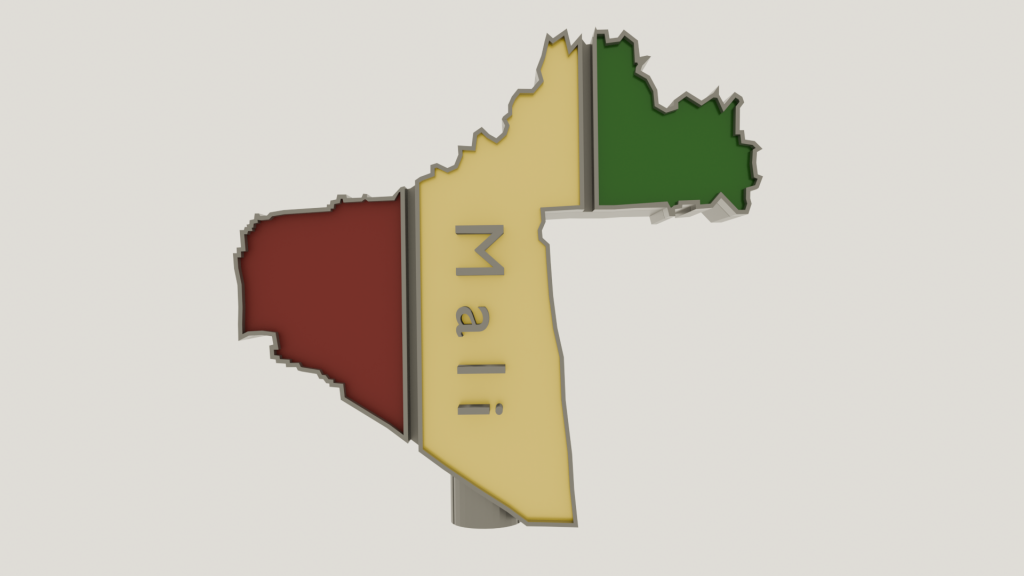
The Meaning behind the Flag
.Green represents fertile land and hope, yellow represents purity and mineral wealth, and red commemorates sacrifices made in the struggle for independence.
A Little History
The lands of modern Mali were at the heart of some of West Africa’s most powerful empires and trading networks. Its location between the Sahara and the fertile regions farther south made it an important crossroads for the movement of gold, salt, goods, people and ideas.
The Ghana Empire, which flourished to the west and north of parts of present-day Mali, was one of the region’s earliest major powers. It was later followed by the Mali Empire, founded in the 13th century and associated with the legendary ruler Sundiata Keita.
The Mali Empire reached extraordinary wealth and influence under Mansa Musa in the 14th century. His famous pilgrimage to Mecca demonstrated the empire’s wealth and connected Mali even more closely with the wider Islamic world. Cities such as Timbuktu became important centers of trade, scholarship and Islamic learning, attracting merchants and scholars from across the region.
As Mali’s power declined, the Songhai Empire grew to dominate much of the Niger River region during the 15th and 16th centuries. Songhai became one of the largest states in African history before its power was broken following a Moroccan invasion in 1591.
Centuries later, France established colonial control over the region, incorporating it into French West Africa. After a brief federation with Senegal, Mali became an independent republic on September 22, 1960, with Modibo Keïta as its first president.
Mali’s modern history has included political instability and conflict, but its ancient cities, empires and intellectual traditions remain an important part of both Malian and wider West African history.
People & Culture
Mali is home to many communities, including Bambara, Fulani, Soninke, Songhai, Tuareg, Dogon, Malinké and Senufo peoples, among others. Numerous languages are spoken across the country, reflecting centuries of migration, trade and interaction.
One of Mali’s most important cultural traditions is oral history. For generations, specialized storytellers and historians commonly known as griots have preserved genealogies, historical events, family stories and cultural knowledge through spoken word and performance.
Mali also has remarkable architectural traditions. Cities such as Djenné and Timbuktu are famous for monumental earthen architecture constructed and maintained using local materials and community knowledge. Mosques, homes and historic buildings demonstrate architectural techniques developed for the Sahelian environment.
The Dogon are particularly known for distinctive artistic and architectural traditions, while Tuareg communities of northern Mali have long histories connected to Saharan pastoralism, caravan trade, leatherwork, metalwork and jewelry.
Family, community, religion and respect for elders remain important influences on social life. Mali’s position between the Sahara, Sahel and Niger River has produced a culture shaped by farmers, pastoralists, merchants, scholars and generations of travelers.
Food
Malian cuisine is strongly influenced by the Niger River, agriculture and the Sahelian environment. Common staples include millet, sorghum, rice, maize, beans, peanuts and vegetables, accompanied by sauces, fish or meat.
Rice is especially important around the Niger River and is commonly served with rich vegetable, peanut or tomato-based sauces. Millet and sorghum are traditional grains used to make porridges and other staple foods throughout the country.
A well-known dish is tiguadege na, a rich peanut-based stew commonly prepared with meat and vegetables and served with rice. Variations of peanut sauces are found across much of West Africa.
Fish is particularly important in communities along the Niger River, where fishing has supported families and trade for generations. Beef, goat and chicken are also used in various dishes, while pastoral communities have traditions involving milk and other livestock products.
Meals are closely connected to family and hospitality, and food is commonly shared. Like Mali itself, its cuisine reflects the meeting of the Niger River, the Sahel and centuries-old West African trading traditions.
Take Mali With You
Carry a little piece of Mali wherever you go. Inspired by the country’s iconic red, yellow and green, this keychain is a small celebration of Malian identity and pride.
Continue Exploring
Your journey doesn’t have to end here. Discover more stories, cultures and heritage from across Africa and the diaspora.