Discover Kenya
Kenya brings together dramatic landscapes, major cities and dozens of distinct cultural communities. Sitting between the Indian Ocean and the interior of East Africa, the country has long been a meeting point for peoples, languages and traditions.
Kenya at a Glance
Capital
Nairobi
Largest City
Nairobi
Region
East Africa
Currency
Kenya Shilling
Independence
December 12, 1963
Official Language
English & Swahili
The Meaning behind the Flag
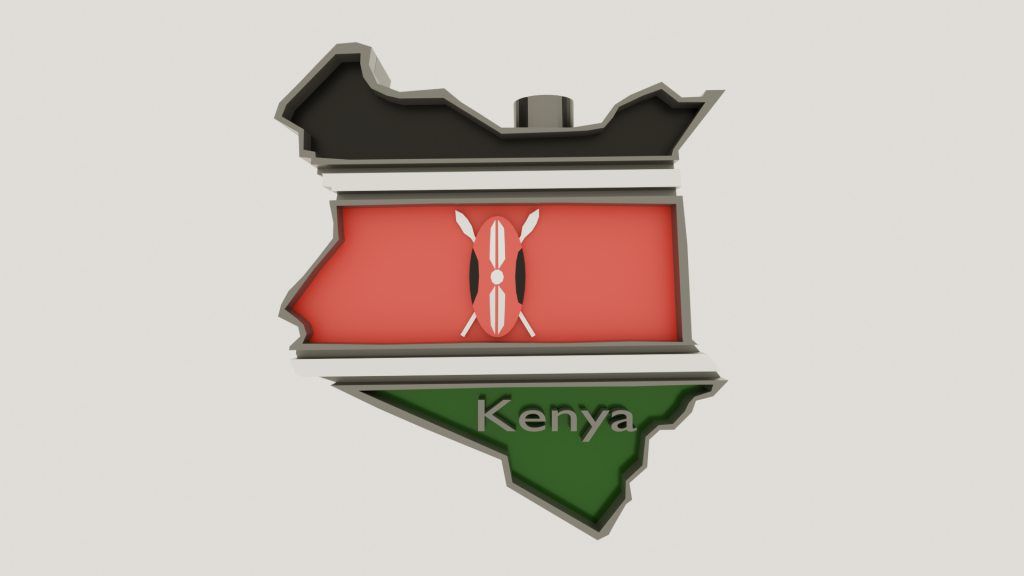
Black represents the Kenyan people, red represents the struggle for independence, green represents the land and natural wealth, and white represents peace. The shield and spears symbolize the defence of freedom.
A Little History
Kenya has a long and diverse history shaped by African societies, migration and trade across the Indian Ocean. Communities speaking Bantu, Nilotic and Cushitic languages settled in different parts of the region over many centuries, developing farming, pastoral and trading societies.
Along Kenya’s coast, communities participated in Indian Ocean trade networks connecting East Africa with Arabia, Persia, India and other regions. Coastal settlements such as Mombasa, Malindi and Lamu became important trading centers. These connections contributed to the development of Swahili culture, which blended African foundations with centuries of interaction across the Indian Ocean.
Portuguese influence along the coast began in the late 15th century, followed later by growing Omani Arab power. During the 19th century, European colonial expansion intensified, and Britain eventually established the East Africa Protectorate. Much of the territory later became the Colony of Kenya.
Colonial rule brought major changes to land ownership, agriculture and political power. African resistance took many forms, including political organizing and the Mau Mau uprising during the 1950s, which was driven largely by grievances over land and colonial rule.
Kenya achieved independence from Britain on December 12, 1963, with Jomo Kenyatta becoming its first prime minister and later its first president when Kenya became a republic in 1964.
Today, Kenya’s identity reflects its many indigenous communities, its Swahili coastal heritage and a history connecting East Africa with the wider Indian Ocean world.
People & Culture
Kenya is home to more than 40 ethnic communities, creating considerable linguistic and cultural diversity. Major communities include the Kikuyu, Luhya, Kalenjin, Luo, Kamba, Kisii, Meru, Somali and Maasai, among many others.
Swahili and English are official languages, while numerous indigenous languages are spoken throughout the country. Swahili is especially important as a shared language connecting people from different communities and is also widely spoken throughout East Africa.
Different regions have distinct traditions shaped by their environments and histories. Maasai communities are particularly associated with pastoral traditions, cattle and distinctive clothing, while coastal communities have been strongly influenced by centuries of Swahili and Indian Ocean culture.
Family and community remain important throughout Kenyan society. Weddings, ceremonies, storytelling, traditional craftsmanship and celebrations help maintain connections between generations, although customs differ considerably among communities.
Modern Kenya also has a vibrant urban culture, particularly in Nairobi and Mombasa, where traditional influences interact with contemporary fashion, art, literature, technology and popular culture.
Food
Kenyan food reflects the country’s many communities, agricultural regions and long history of trade. Common ingredients include maize, beans, vegetables, rice, potatoes, plantains and meat, with dishes varying considerably across the country.
One of the most common staples is ugali, a firm maize-meal dish usually eaten alongside vegetables, meat, fish or stew. Sukuma wiki, cooked leafy greens, is another everyday favourite and is often served with ugali.
Nyama choma, meaning roasted or grilled meat, is popular at gatherings and restaurants and is commonly prepared with goat or beef. Githeri, traditionally associated with Kikuyu cuisine, combines maize and beans into a filling meal.
Along the coast, Kenyan cuisine reflects centuries of Swahili and Indian Ocean influence. Rice dishes such as pilau and biryani are popular, often seasoned with aromatic spices. Chapati, introduced through South Asian influence and adapted into East African cooking, is also widely enjoyed throughout Kenya.
From everyday ugali to richly spiced coastal dishes, Kenyan cuisine reflects the same diversity that defines the country itself—many communities, environments and histories sharing one national table.
Take Kenya With You
Carry a little piece of Kenya wherever you go. Inspired by the country’s iconic black, green, white and center shield, this keychain is a small celebration of Kenyan identity and pride.
Continue Exploring
Your journey doesn’t have to end here. Discover more stories, cultures and heritage from across Africa and the diaspora.