Discover Ghana
Ghana combines a remarkable history with a strong modern national identity. From its famous Black Star to its reputation for hospitality, Ghana has become an important symbol of African independence, heritage and pride.
Ghana at a Glance
Capital
Accra
Largest City
Accra
Region
West Africa
Currency
Ghanian Cedi
Independence
March 6, 1957
Official Language
English
The Meaning behind the Flag
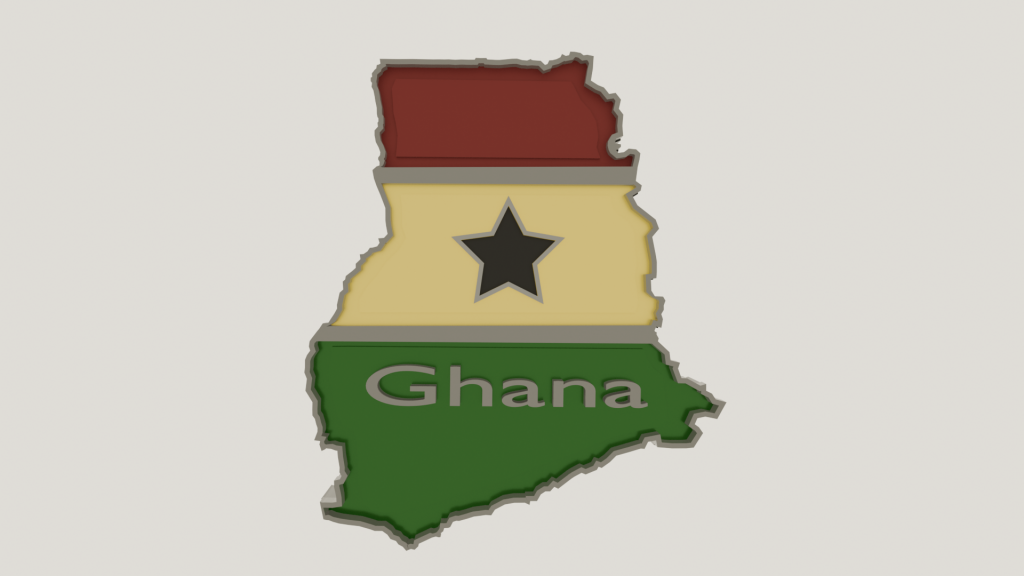
Red represents those who sacrificed for independence, gold represents Ghana’s mineral wealth and green represents its forests and natural resources. The Black Star symbolizes African freedom and unity.
A little History
The lands that make up modern Ghana have a long history of kingdoms, trade and powerful states. Gold from the region connected local societies to major trade networks across West Africa, helping give rise to influential Akan states.
Among the most powerful was the Asante Empire, which emerged in the late 17th century and became a major political and military power. The Asante built a highly organized kingdom centered on Kumasi and controlled important gold-producing and trading areas.
European powers established trading forts along the coast beginning in the 15th century, initially trading in goods such as gold and later participating heavily in the transatlantic slave trade. Britain gradually expanded its control, and the territory became known as the Gold Coast.
During the 20th century, a growing independence movement challenged British colonial rule. Led by figures including Kwame Nkrumah, the Gold Coast achieved independence on March 6, 1957, becoming Ghana. It was the first sub-Saharan African colony to gain independence from European colonial rule in the postwar era and became an important inspiration for independence movements across Africa.
People & Culture
Ghana is home to many peoples and languages, including Akan, Mole-Dagbani, Ewe, Ga-Dangme, Gurma and Guan communities, among others. English is the country’s official language, while Akan languages such as Twi, Ewe, Ga, Dagbani and many other languages are spoken throughout the country.
Family and community play important roles in Ghanaian life, alongside traditional leadership systems that continue to hold cultural significance in many areas. Festivals bring communities together to remember history, honour ancestors, celebrate harvests and maintain traditions passed between generations.
Ghana is also famous for its visual traditions. Kente cloth, associated especially with Akan communities such as the Asante, is recognized for its colourful woven patterns and symbolism. Adinkra symbols are another well-known Ghanaian tradition, with individual symbols communicating ideas about wisdom, leadership, unity, spirituality and everyday life.
Modern Ghanaian culture combines these traditions with contemporary art, fashion, food, literature, film and an increasingly global Ghanaian diaspora. This mixture of old and new makes Ghana’s cultural identity both deeply rooted and continually evolving.
Food
Ghanaian food is known for bold flavours, hearty stews and dishes built around ingredients such as rice, cassava, plantain, yam and maize. Recipes and favourites vary across the country’s different regions and communities.
One of Ghana’s best-known dishes is jollof rice, rice cooked in a seasoned tomato-based sauce and commonly served with meat, fish or vegetables. Ghana also has its own distinctive version of the dish that is part of a famous friendly rivalry with neighbouring Nigeria over whose jollof is best.
Other popular foods include waakye, a combination of rice and beans often served with several accompaniments; kelewele, spicy fried plantain; and red red, a bean stew commonly eaten with fried plantain.
Traditional staples include fufu, made by pounding cooked starchy foods into a smooth dough and eating it with soups such as light soup, palm-nut soup or groundnut soup. Banku, made from fermented maize and cassava dough, is another favourite and is often served with grilled tilapia, pepper sauce or okra stew.
Food in Ghana is also a social experience—from family meals and celebrations to busy markets and roadside vendors, sharing food remains an important part of everyday life and hospitality.
Take Ghana With You
Carry a little piece of Ghana wherever you go. Inspired by the country’s iconic red, yellow, green and black star, this keychain is a small celebration of Ghanaian identity and pride.
Continue Exploring
Your journey doesn’t have to end here. Discover more stories, cultures and heritage from across Africa and the diaspora.