Discover Sierra Leone
Known affectionately as Salone, Sierra Leone is a West African country of beautiful coastlines, diverse communities and a resilient spirit. Its story connects African traditions with a unique history involving formerly enslaved people returning from across the Atlantic.
Sierra Leone at a Glance
Capital
Freetown
Largest City
Freetown
Region
West Africa
Currency
Leone (Le)
Independence
April 27, 1961
Official Language
English
The Meaning behind the Flag
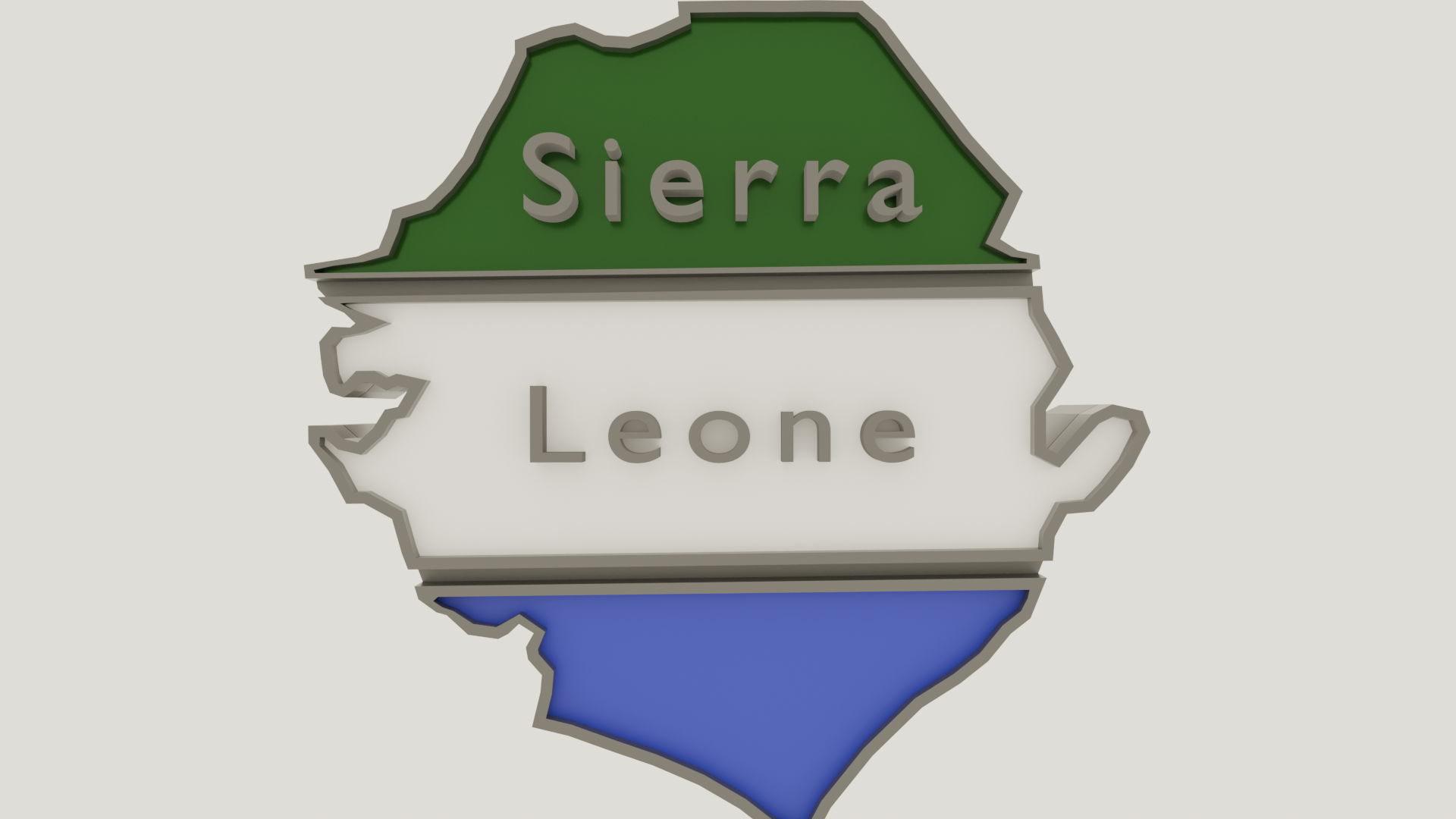
Green represents agriculture, mountains and natural resources. White represents unity and justice, while blue represents the Atlantic Ocean and hopes for peace.
A Little History
Sierra Leone has a long history shaped by West African societies, regional trade and migration. Communities including the Temne, Mende, Limba and others developed political and trading networks long before sustained European involvement along the coast.
Beginning in the 15th century, Portuguese and later other European traders established connections with the region. The coast eventually became deeply affected by the transatlantic slave trade, through which many Africans were forcibly taken from West Africa to the Americas.
In 1787, an early settlement was established near present-day Freetown for formerly enslaved and free Black people from Britain. Additional settlers later arrived, including Black Loyalists from Nova Scotia and Jamaican Maroons. After Britain abolished its slave trade, Africans liberated from intercepted slave ships were also resettled around Freetown. Their descendants contributed to the development of the Krio people and culture.
Freetown became a British Crown Colony in 1808, while Britain later established control over much of the interior as a protectorate. Sierra Leone ultimately achieved independence from Britain on April 27, 1961.
The country’s more recent history includes an especially destructive civil war from 1991 to 2002. Since the war ended, Sierra Leone has continued rebuilding while preserving the diverse cultural traditions and communities that form its national identity.
People & Culture
Sierra Leone is home to many ethnic and cultural communities, with the Temne and Mende among the largest. Other communities include the Limba, Kono, Loko, Koranko, Sherbro, Fullah and Krio, among others.
Although English is the official language, Krio is widely spoken across the country and serves as an important common language between people from different linguistic backgrounds. Krio developed through the history of Freetown and contains influences from English and several African languages.
Family, community and hospitality are important parts of everyday life. Traditional leadership remains significant in many areas, while ceremonies, storytelling, dance, clothing and community celebrations help preserve traditions between generations.
Sierra Leone’s culture reflects both its deep indigenous West African heritage and the distinctive history of Freetown and the Krio community. These influences have created a national culture that is diverse while still sharing strong connections through language, community and history.
Food
Sierra Leonean cuisine makes extensive use of rice, cassava, plantain, groundnuts, vegetables, fish and meat. Rice is particularly important and forms the foundation of many everyday meals.
One popular dish is cassava leaf stew, made from finely prepared cassava leaves and commonly cooked with ingredients such as palm oil, meat or fish. It is typically served over rice.
Groundnut stew, prepared with peanuts and often meat, fish or vegetables, is another favourite. Potato-leaf stew and other leafy sauces are also commonly paired with rice.
Along the country’s Atlantic coastline, fish and seafood are important parts of local cooking, while plantains, cassava and other crops provide additional staples.
As elsewhere in West Africa, food is closely connected with family, hospitality and community. Meals are often shared, making food an important part of both everyday life and celebrations.
Take Sierra Leone With You
Carry a little piece of Sierra Leone wherever you go. Inspired by the country’s iconic green,white and black, this keychain is a small celebration of Sierra Leone identity and pride.
Continue Exploring
Your journey doesn’t have to end here. Discover more stories, cultures and heritage from across Africa and the diaspora.