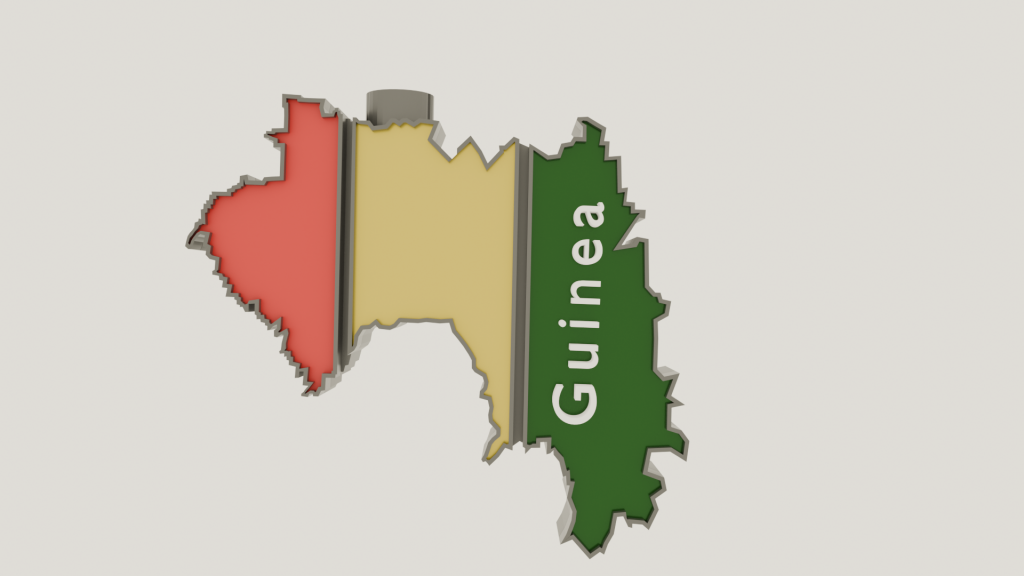
Discover Guinea
From the Atlantic coastline to the forested southeast and highlands of Fouta Djallon, Guinea has remarkable geographic and cultural diversity. Its communities carry centuries of West African traditions, history and identity.
Guinea at a Glance
Capital
Conakry
Largest City
Conakry
Region
West Africa
Currency
Franc (GNF)
Independence
October 2, 1958
Official Language
French
The Meaning behind the Flag
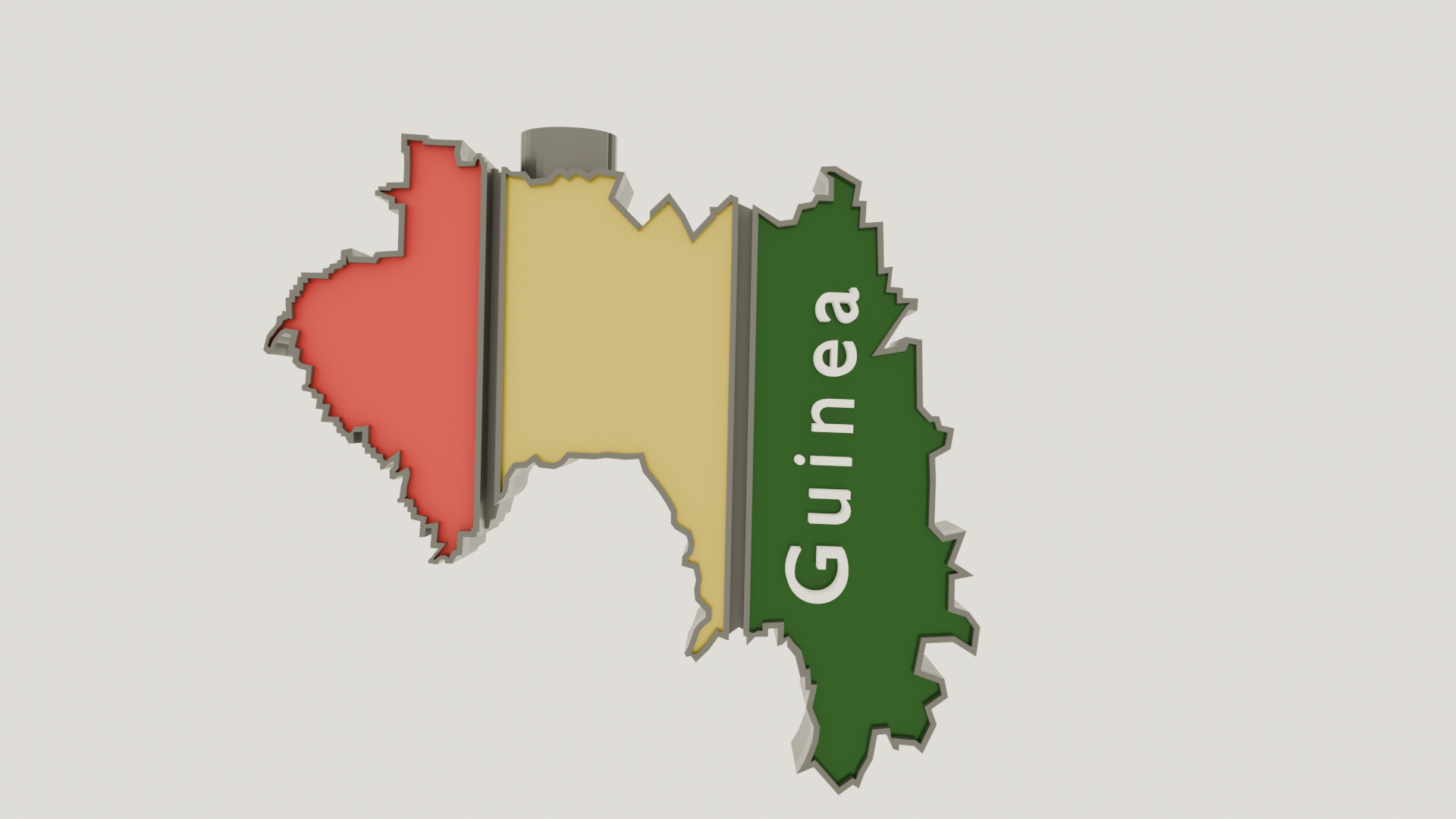
Red represents sacrifice and struggle, yellow represents the country’s mineral wealth and sunshine, and green represents vegetation and agriculture.
A Little History
The lands of modern Guinea have long been connected to major West African empires, migration routes and trading networks. Parts of the region were influenced by powerful states including the Ghana, Mali and Songhai empires, which helped connect communities across the Sahel and West Africa through trade.
The region was particularly important to the Mali Empire, which emerged in the 13th century. Gold, agricultural products and other goods moved through networks linking the forest regions of West Africa with major commercial centers farther north.
During the 18th and 19th centuries, several important states developed within what is now Guinea. In the Fouta Djallon highlands, Fulani leaders established the Imamate of Futa Jallon, an influential Islamic state. Later, Samori Touré built the Wassoulou Empire and led prolonged resistance against French colonial expansion in West Africa.
By the late 19th century, France had established colonial control over Guinea. The territory became part of French West Africa, a federation of French colonies that included much of the surrounding region.
A major turning point came in 1958, when France offered its African colonies a referendum on joining a new French Community. Under the leadership of Ahmed Sékou Touré, Guinea voted “No,” choosing immediate independence rather than continued association under the proposed system.
Guinea declared independence on October 2, 1958, becoming the first French colony in sub-Saharan Africa to gain independence through this referendum process. Its decision became an important moment in the wider movement toward African decolonization.
People & Culture
Guinea is home to several major communities, including the Fulani (Peul), Malinké, Susu, Kissi, Kpelle and Toma, among others. The country’s cultural diversity reflects its geography, which stretches from the Atlantic coast through highlands, savanna and forest regions.
Many languages are spoken throughout Guinea. French is the official language, while languages such as Pular, Maninka and Susu are widely spoken within their respective communities.
Family and community relationships are central to everyday life. Islam is the majority religion, alongside Christianity and traditional spiritual practices, and religious celebrations often form important parts of community life.
Guinea has particularly strong traditions of oral history and storytelling. Griots have preserved family histories, genealogies and accounts of important events across generations. These oral traditions connect modern communities with the history of the great states and societies that once flourished throughout the region.
Craftsmanship, textiles, dance and community celebrations also reflect Guinea’s diverse cultural heritage. Traditions vary considerably between the coastal, highland and forest regions, giving the country a cultural identity shaped by many different peoples and environments.
Food
Guinean cuisine is based around staples such as rice, cassava, fonio, maize, plantain, peanuts, vegetables, fish and meat. Foods vary across the country’s coastal, highland and forest regions.
Rice is especially important and is commonly served with flavorful leafy, peanut or tomato-based sauces. Fish and seafood feature prominently in coastal communities, while meat and agricultural products are more common in other regions.
Fonio, a tiny West African grain cultivated in the region for thousands of years, remains an important traditional food. It can be prepared similarly to couscous or porridge and served alongside sauces, vegetables or meat.
Peanuts are also widely used to produce rich sauces and stews, while cassava and plantain provide important sources of starch in many communities.
As throughout much of West Africa, meals are closely connected with hospitality, family and community. Sharing food brings people together and reflects Guinea’s position at the meeting point of the coast, the Fouta Djallon highlands and the forests of West Africa.
Take Guinea With You
Carry a little piece of Guinea wherever you go. Inspired by the country’s iconic red, yellow and green, this keychain is a small celebration of Nigerian identity and pride.
Continue Exploring
Your journey doesn’t have to end here. Discover more stories, cultures and heritage from across Africa and the diaspora.