Discover Haiti
Haiti is a Caribbean nation with an extraordinary story of freedom, resistance and creativity. Its African roots and revolutionary history have created a cultural identity unlike anywhere else in the Americas.
Haiti at a Glance
Capital
Port-au-Prince
Largest City
Port-au-Prince
Region
Caribbean
Currency
Haitian Gourde
Independence
January 1, 1804
Official Language
Haitian Creole & French
The Meaning behind the Flag
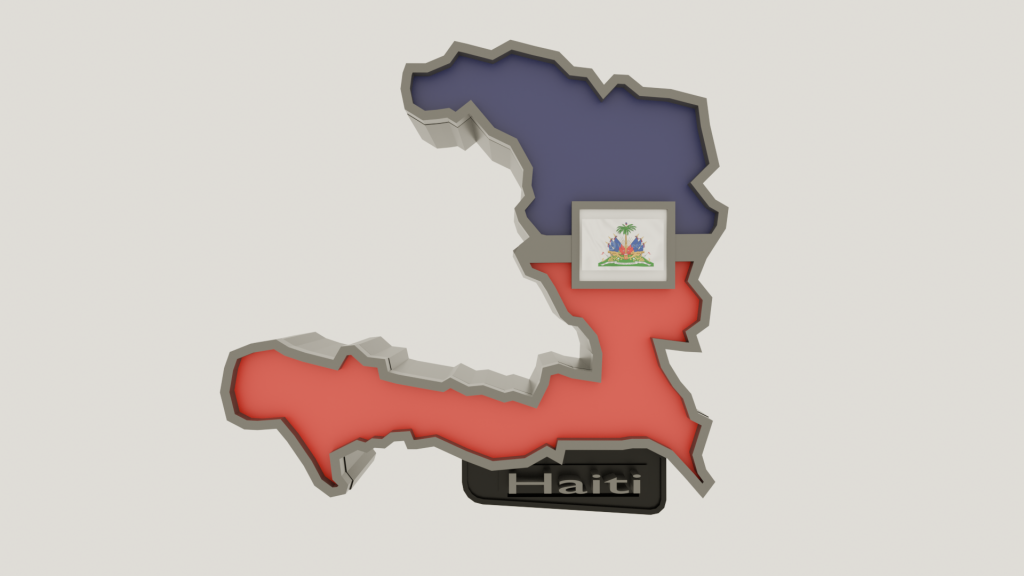
Haiti’s blue and red flag developed during the Haitian Revolution from the French tricolour after its white portion was removed. Its coat of arms carries the national motto “L’Union fait la Force” — “Unity Makes Strength.”
A Little History
Haiti’s history stretches back long before European colonization. The island of Hispaniola, which Haiti shares today with the Dominican Republic, was inhabited by Indigenous peoples including the Taíno. Their societies developed agriculture, fishing, trade and political communities throughout the Caribbean.
Christopher Columbus arrived on Hispaniola in 1492, beginning a period of Spanish colonization that devastated the Indigenous population through disease, warfare and forced labour. Over time, France established control over the western portion of the island, which became the colony of Saint-Domingue.
By the 18th century, Saint-Domingue had become one of the world’s wealthiest plantation colonies, producing enormous quantities of sugar and coffee. That wealth depended on the brutal forced labour of hundreds of thousands of enslaved Africans.
In 1791, enslaved people launched a massive uprising that developed into the Haitian Revolution. Leaders including Toussaint Louverture, Jean-Jacques Dessalines and others fought against slavery and competing European armies during years of revolutionary warfare.
On January 1, 1804, Haiti declared its independence from France. The revolution destroyed the colonial slave system and created the world’s first independent Black republic and the first independent state established through a successful large-scale revolt of enslaved people.
Haiti’s independence carried enormous international significance, but the new nation faced isolation, foreign pressure and severe economic challenges. In 1825, France imposed a huge indemnity on Haiti in exchange for recognizing its independence, creating a financial burden that affected the country for generations.
Despite later periods of political instability, foreign intervention and economic hardship, the Haitian Revolution remains one of the most important struggles for freedom and emancipation in modern history.
People & Culture
Haitian culture is deeply rooted in the traditions of Africans brought to Saint-Domingue during slavery, particularly peoples originating from West and Central Africa. These traditions developed in the Caribbean alongside Indigenous, French and other influences to create a distinctly Haitian identity.
Haitian Creole (Kreyòl Ayisyen) and French are Haiti’s official languages, with Haitian Creole spoken by virtually the entire population. Creole developed primarily from French vocabulary combined with grammatical and linguistic influences rooted in African languages and the colonial Caribbean environment.
Family and community relationships are central to Haitian life, both within Haiti and throughout its large international diaspora. Storytelling, proverbs and oral traditions continue to pass knowledge and values between generations.
Religion and spirituality are also important. Christianity is widespread, while Haitian Vodou developed from African religious traditions interacting with Catholicism and the historical experience of slavery and colonialism. Vodou has played an important role in Haitian history and culture despite frequently being misunderstood or stereotyped outside Haiti.
Haiti is particularly known for its vibrant visual arts and craftsmanship. Painting, sculpture, metalwork, embroidery and brightly decorated objects often depict history, spirituality, everyday life and the natural environment.
Haitian identity is strongly connected to the country’s revolutionary history. The achievement of independence by formerly enslaved people remains an enduring source of national pride and gives Haiti a unique place in the history of the African diaspora and the Americas.
Food
Haitian cuisine combines African, Caribbean, Indigenous and French influences, with bold seasonings and ingredients such as rice, beans, plantains, root vegetables, meat and seafood.
One of Haiti’s most distinctive foods is soup joumou, a squash-based soup traditionally eaten on January 1, Haiti’s Independence Day. During colonial rule, the dish became associated with a food enslaved Haitians were reportedly prevented from enjoying freely. After independence, eating soup joumou became a powerful celebration of freedom and Haitian identity.
Griot is another popular dish, consisting of seasoned and fried or braised pork often served with pikliz, a spicy mixture of pickled cabbage, carrots and peppers. Pikliz provides a sharp, spicy contrast to many Haitian meals.
Diri ak pwa—rice and beans—is an everyday staple, while diri djon djon is a distinctive rice dish prepared using dried black mushrooms that give the rice its characteristic dark colour and flavour.
Plantains are also widely enjoyed, including bannann peze, twice-fried flattened plantains commonly served alongside meat, pikliz or other dishes.
Haitian food carries much more than flavour. From everyday family meals to soup joumou on Independence Day, it preserves connections between history, community, survival and freedom.
Take Haiti With You
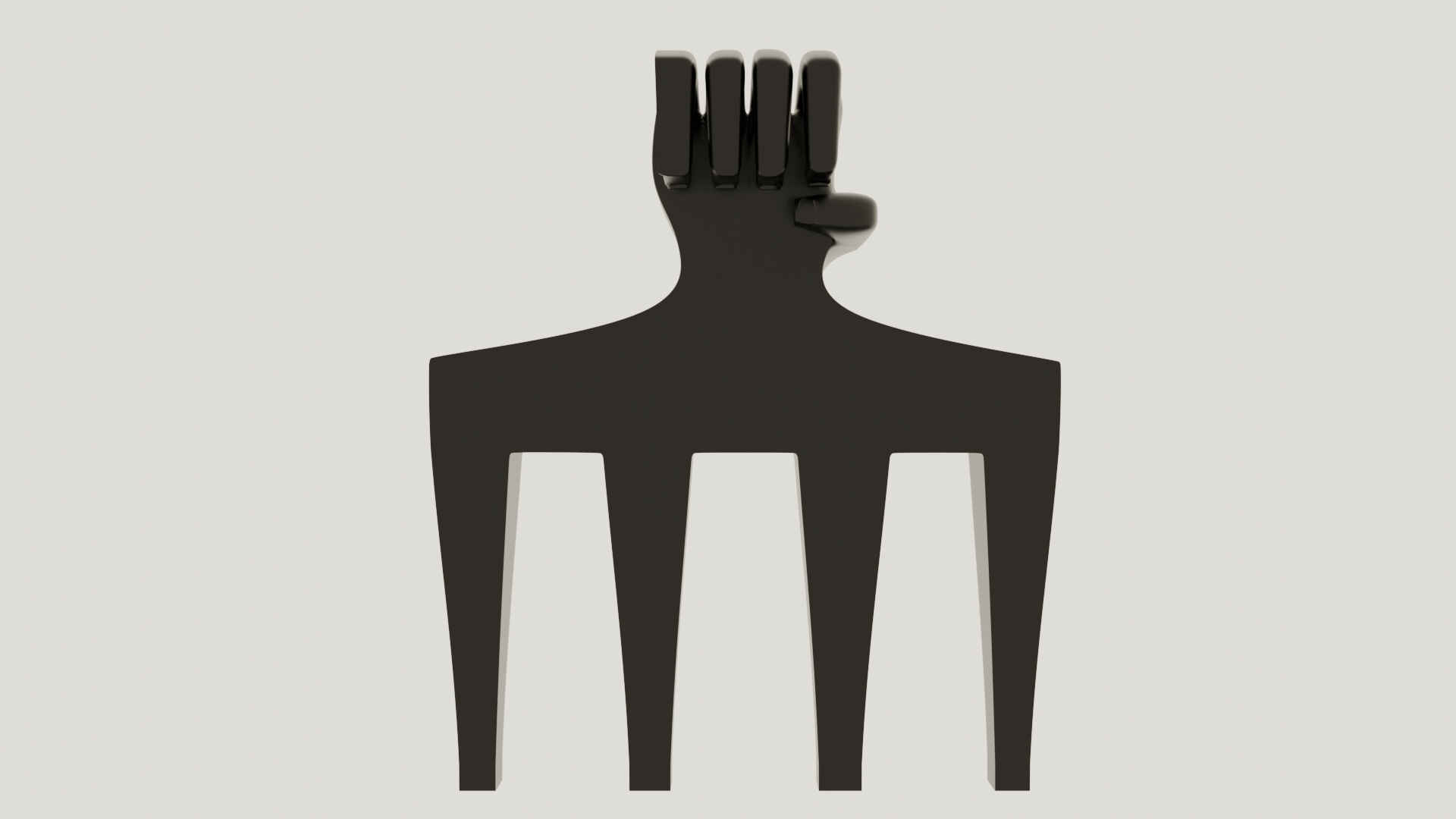
Carry a little piece of Haiti wherever you go. Inspired by the country’s iconic blue, red and artillery icon, this keychain is a small celebration of Haitian identity and pride.
Continue Exploring
Your journey doesn’t have to end here. Discover more stories, cultures and heritage from across Africa and the diaspora.