Discover Jamaica
Jamaica may be a relatively small Caribbean island, but its cultural influence reaches across the world. Its powerful identity reflects resilience, creativity, African heritage and a deep sense of Jamaican pride.
Jamaica at a Glance
Capital
Kingston
Largest City
Kingston
Region
Caribbean
Currency
Jamaican Dollar (J)
Independence
Aug 6, 1962
Official Language
English
The Meaning behind the Flag
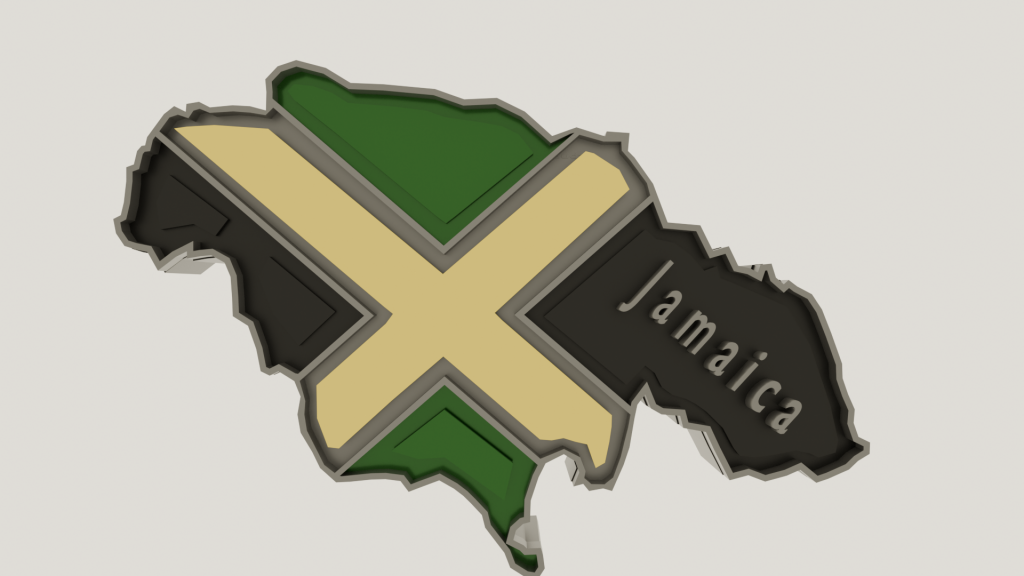
Black represents the strength and creativity of the Jamaican people, green represents the country’s natural beauty and agricultural resources, and gold represents sunlight and natural wealth.
A Little History
Jamaica’s history begins long before European colonization. The island was inhabited by Taíno peoples, whose communities practiced farming, fishing and trade throughout the Caribbean. The Taíno called the island Xaymaca, a name generally associated with the island’s abundant land and water and from which the modern name Jamaica developed.
Christopher Columbus arrived in Jamaica in 1494, and Spain began colonizing the island in the early 16th century. Spanish colonization, forced labour and diseases brought from Europe devastated the Indigenous population.
In 1655, England seized Jamaica from Spain. Under British rule, the island developed into a major sugar-producing colony. This economy depended heavily on the forced labour of enslaved Africans, who were brought to Jamaica in large numbers through the transatlantic slave trade.
Resistance was a constant part of slavery. Africans who escaped plantations established independent communities known as the Maroons, particularly in Jamaica’s mountainous interior. Maroon communities fought British forces and eventually secured treaties recognizing a degree of autonomy. Major rebellions by enslaved and formerly enslaved Jamaicans also contributed to challenges against the colonial system.
Slavery in the British Empire was abolished in the 1830s, but economic and political inequality continued. During the 20th century, labour movements and political organizations pushed for greater self-government.
Jamaica achieved independence from Britain on August 6, 1962, becoming an independent country while remaining a member of the Commonwealth.
People & Culture
Jamaican culture is deeply shaped by the experiences and traditions of people of African descent, alongside Taíno, European, Indian, Chinese, Middle Eastern and other influences that became part of the island’s history.
English is the official language, while Jamaican Patois (Patwa) is widely spoken in everyday life. Patwa developed primarily from English and West African linguistic influences and has become an important expression of Jamaican identity both at home and throughout the diaspora.
Family, community, spirituality and storytelling have helped preserve cultural traditions across generations. African influences can be seen in language, food, folklore, religious practices, dance and many other aspects of Jamaican life.
Jamaica is also the birthplace of the Rastafari movement, which emerged during the 1930s. Rastafari developed around ideas concerning African identity, spirituality, liberation and resistance to colonial oppression and has since become internationally recognized.
Despite being a relatively small island nation, Jamaica has had an enormous cultural influence around the world. Its language, fashion, athletics, literature and wider popular culture have made Jamaican identity recognizable far beyond the Caribbean.
Food
Jamaican cuisine reflects the island’s complex history, combining African, Indigenous Caribbean, European, Indian, Chinese and other influences. Common ingredients include plantain, yam, cassava, rice, peas, coconut, tropical fruits, seafood and richly seasoned meats.
Perhaps the best-known Jamaican cooking tradition is jerk, in which meat is seasoned with a spicy mixture commonly featuring allspice, Scotch bonnet peppers and other herbs and spices before being grilled or smoked. Jerk chicken and jerk pork have become popular far beyond Jamaica.
Ackee and saltfish is one of the country’s most famous dishes. It combines ackee fruit with salted cod, onions, peppers and seasonings and is commonly eaten with foods such as fried dumplings, breadfruit, plantain or yam.
Rice and peas, usually prepared with kidney beans or pigeon peas and often coconut milk, is another Jamaican staple. Other favourites include curry goat, oxtail, patties, escovitch fish and various soups and stews.
Food is an important part of Jamaican family gatherings, celebrations and everyday life. Like Jamaican culture itself, the cuisine tells a story of different peoples and traditions meeting on the island and creating something distinctly Jamaican.
Take Jamiaca With You
Carry a little piece of Jamaica wherever you go. Inspired by the country’s iconic green, black and yellow, this keychain is a small celebration of Jamaican identity and pride.
Continue Exploring
Your journey doesn’t have to end here. Discover more stories, cultures and heritage from across Africa and the diaspora.